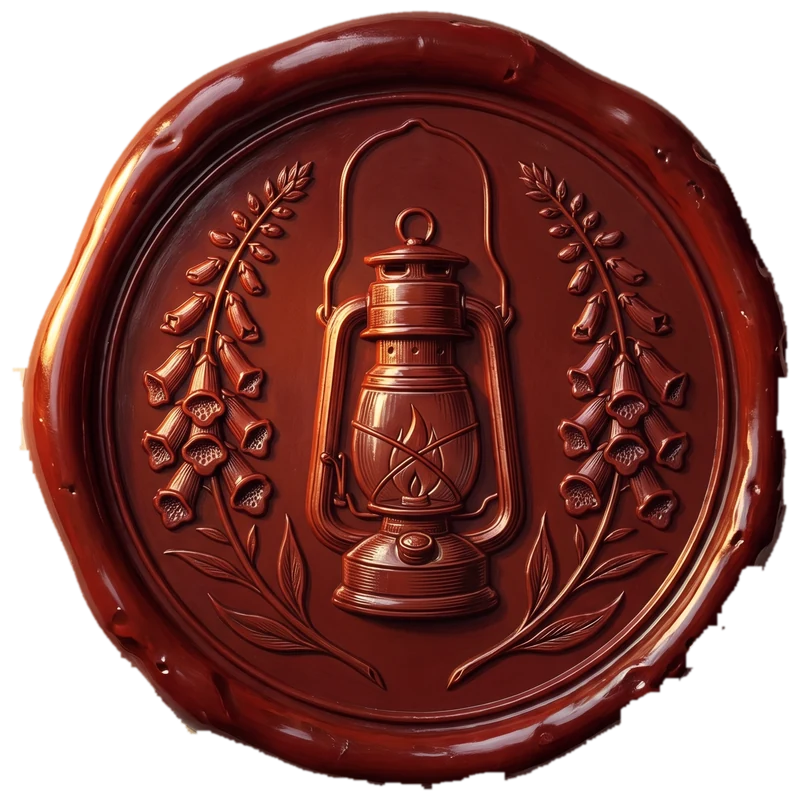
Blackfern Inn is old in the way that makes new things nervous. The hall smells of beeswax, woodsmoke, and something green and bitter beneath — cut stems, perhaps, from the tall foxgloves standing in a jug by the coat rack, their purple bells nodding at everyone who passes.
The family are not the only guests.
A woman in a sensible coat sits by the parlour fire with a locked medical bag at her feet — Dr. Alma Reyes, who treated Edmund Marlowe for the last three years of his life, and who claims her car flooded on this same road an hour ago. She does not look pleased to see the family. She looks, if anything, braced.
At the end of the bar nurses a drink a man nobody can place — Felix Grey, trench coat still dripping, a notebook beside his glass and a photograph he keeps sliding out of his wallet and back in again. Stranded by the storm, he says. Just passing through, he says. He asks a great many questions for a man just passing through.
The innkeeper — Martha Blackfern — moves through the house with a lamp in her hand and answers questions with questions. Her son Tom hauls the family's luggage in from the dead car without being asked, and when Jesse says haven't I seen you somewhere today? he becomes very interested in the generator and does not come back inside for an hour.
And there is one more arrival. At half past seven, dripping and furious and uninvited, comes Constance Marlowe — Edmund's younger sister, his nurse and companion through the final year, wearing her mourning brooch and her long fur-collared coat. Her taxi, she announces, broke down not a mile from here. What extraordinary luck that the whole family should wash up at the same lonely inn.
Extraordinary luck. That phrase will be repeated several times tonight, each time with less conviction.
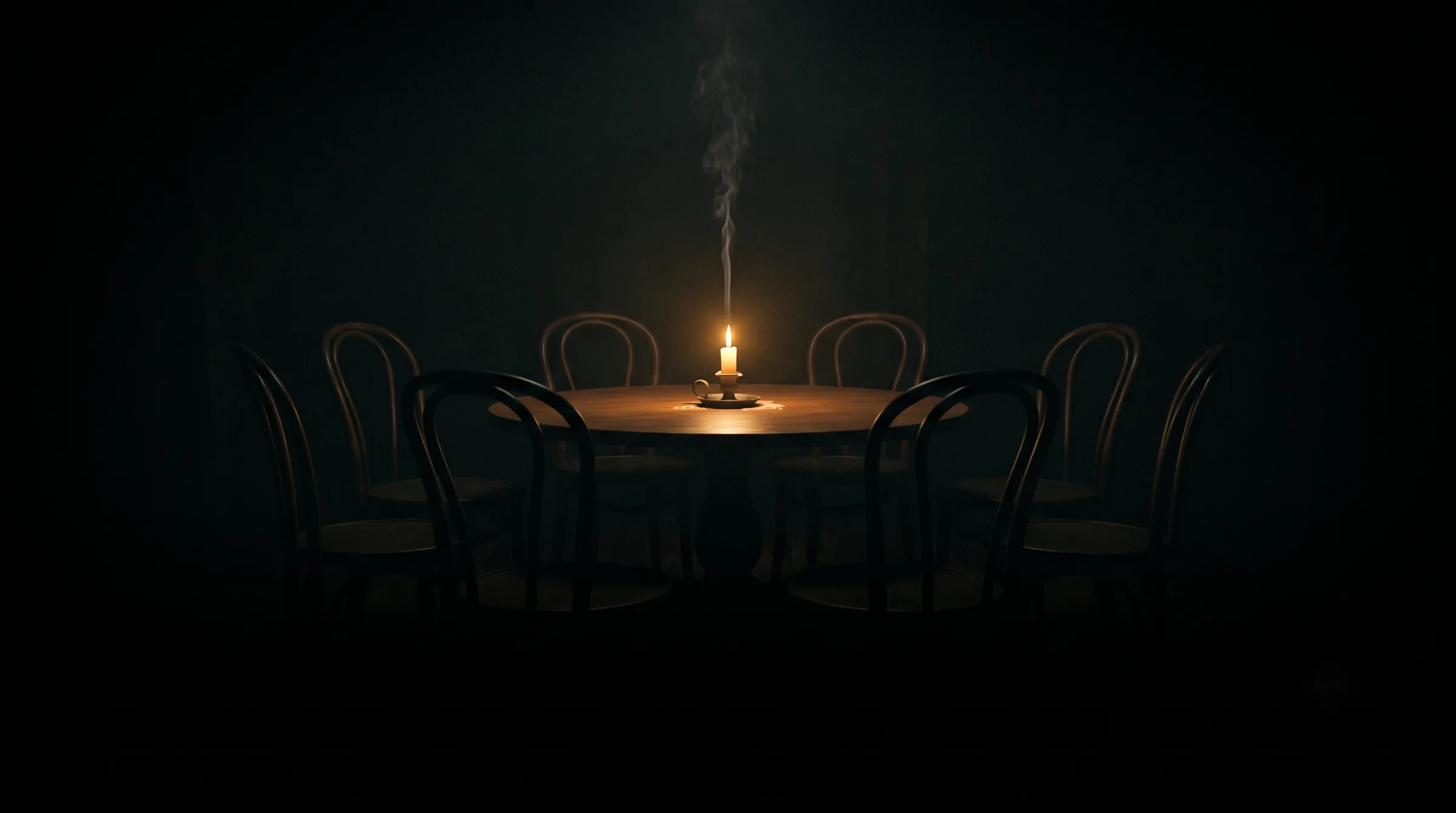
Dinner is served at eight. Nine chairs; one stays empty. Mr. Crane, says Martha, has asked not to be disturbed until his meetings. Meetings, someone repeats. Plural. She does not elaborate.
Over the lamb and the second bottle, the family perform politeness at one another with the skill of long practice, and the strangers watch. Douglas is too loud. Vivian is too quiet. Jesse sketches. Constance tells a long story about Edmund's last days that makes everyone look at their plates — devotion, sacrifice, the cruelty of watching a great man fade. Dr. Reyes sets down her fork very carefully during this story and does not pick it up again.
At ten minutes past nine, Douglas excuses himself — estate paperwork, he says. He is gone twenty minutes. He returns with the particular joviality of a man who has just been told no.
At half past nine the house begins to breathe in whispers: floorboards, doors, the back stairs. Martha carries towels. Jesse draws in the hall alcove. Constance retires to her room. Tom's flashlight bobs past the windows. Somewhere, faintly, a clock is counting.
At 10:15 PM, Martha Blackfern carries Mr. Crane's usual pot of tea to the study, opens the door, and does not scream. She sets the tray down on the hall table — perfectly level — walks to the parlour, and says, in a voice like a closing door:
“He is dead. The road is flooded. The telephone is down. Nobody is leaving Blackfern tonight.”

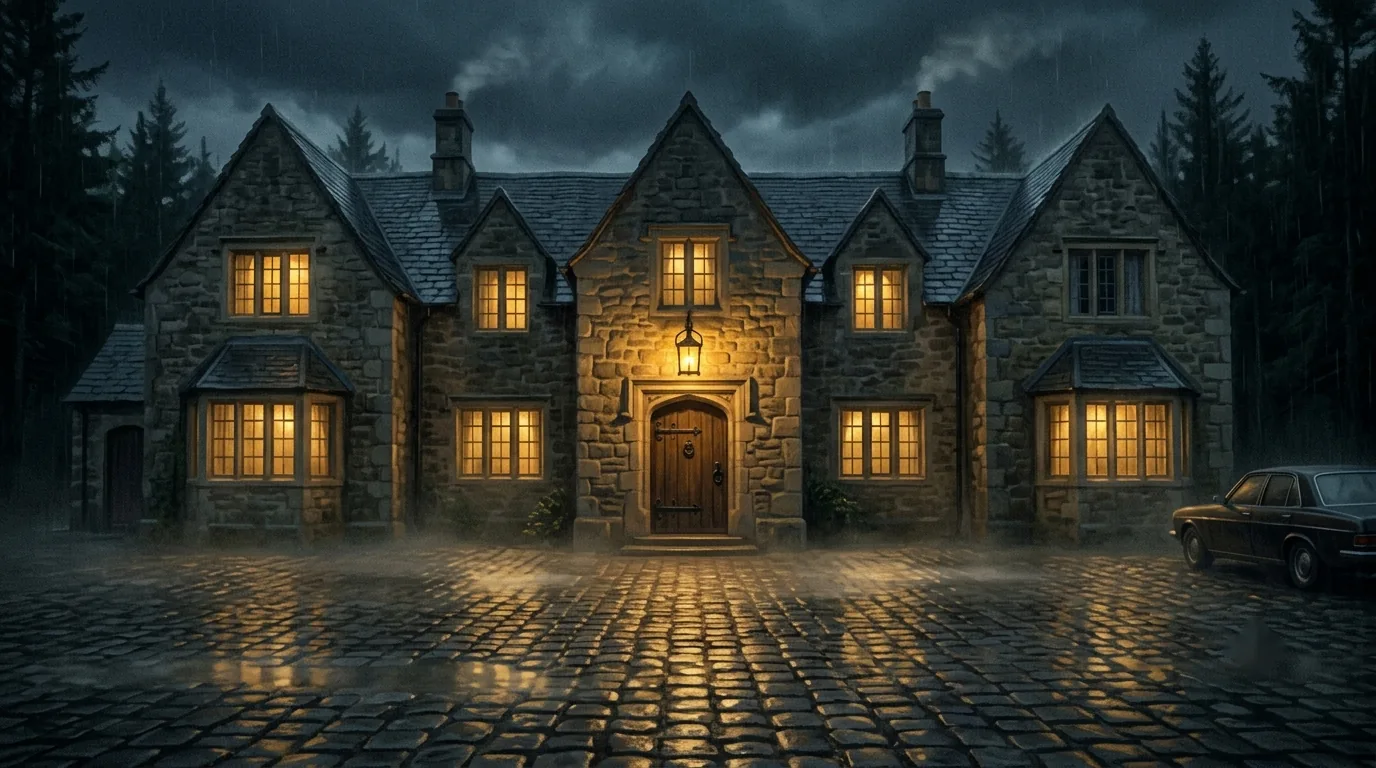
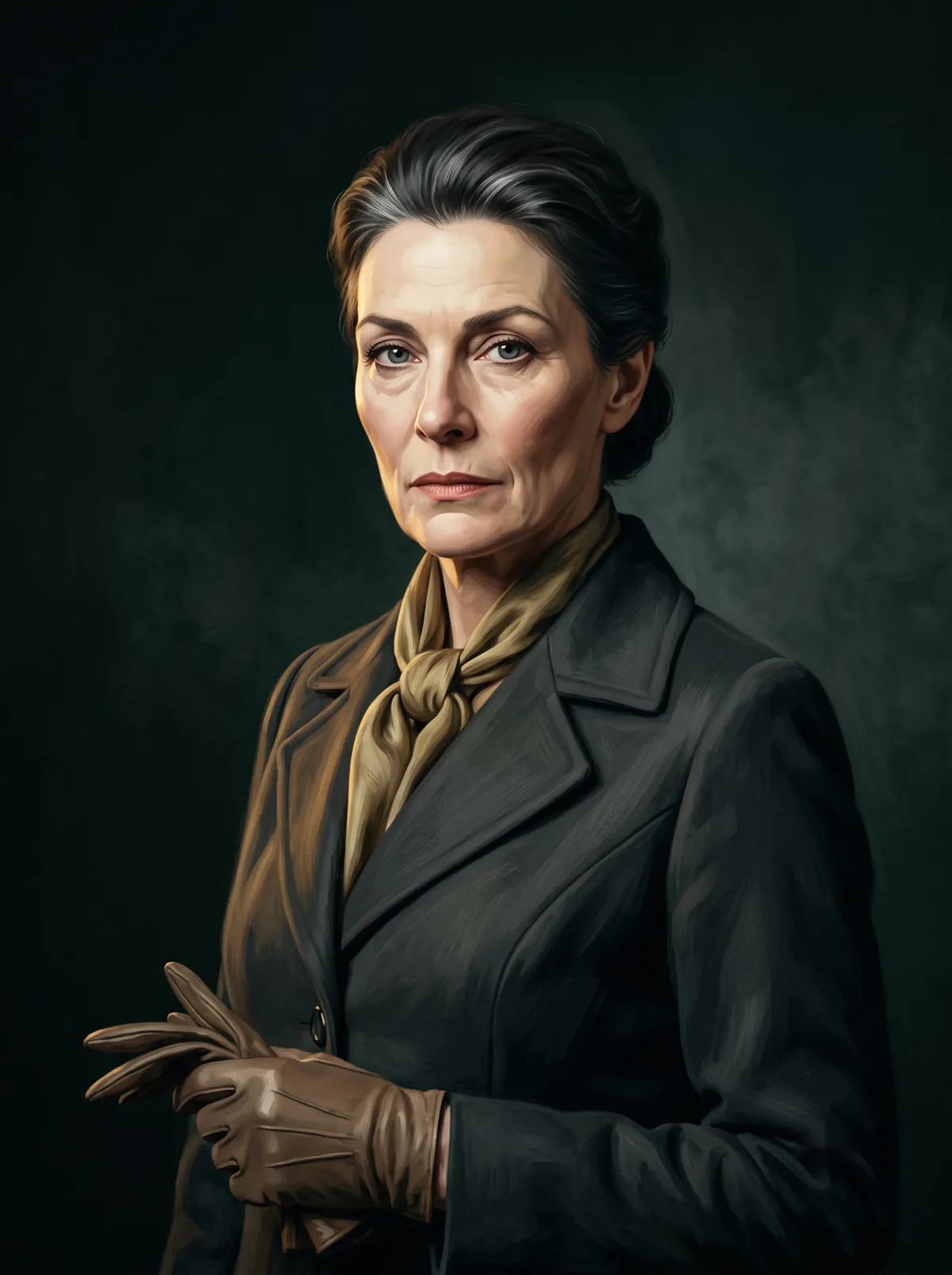

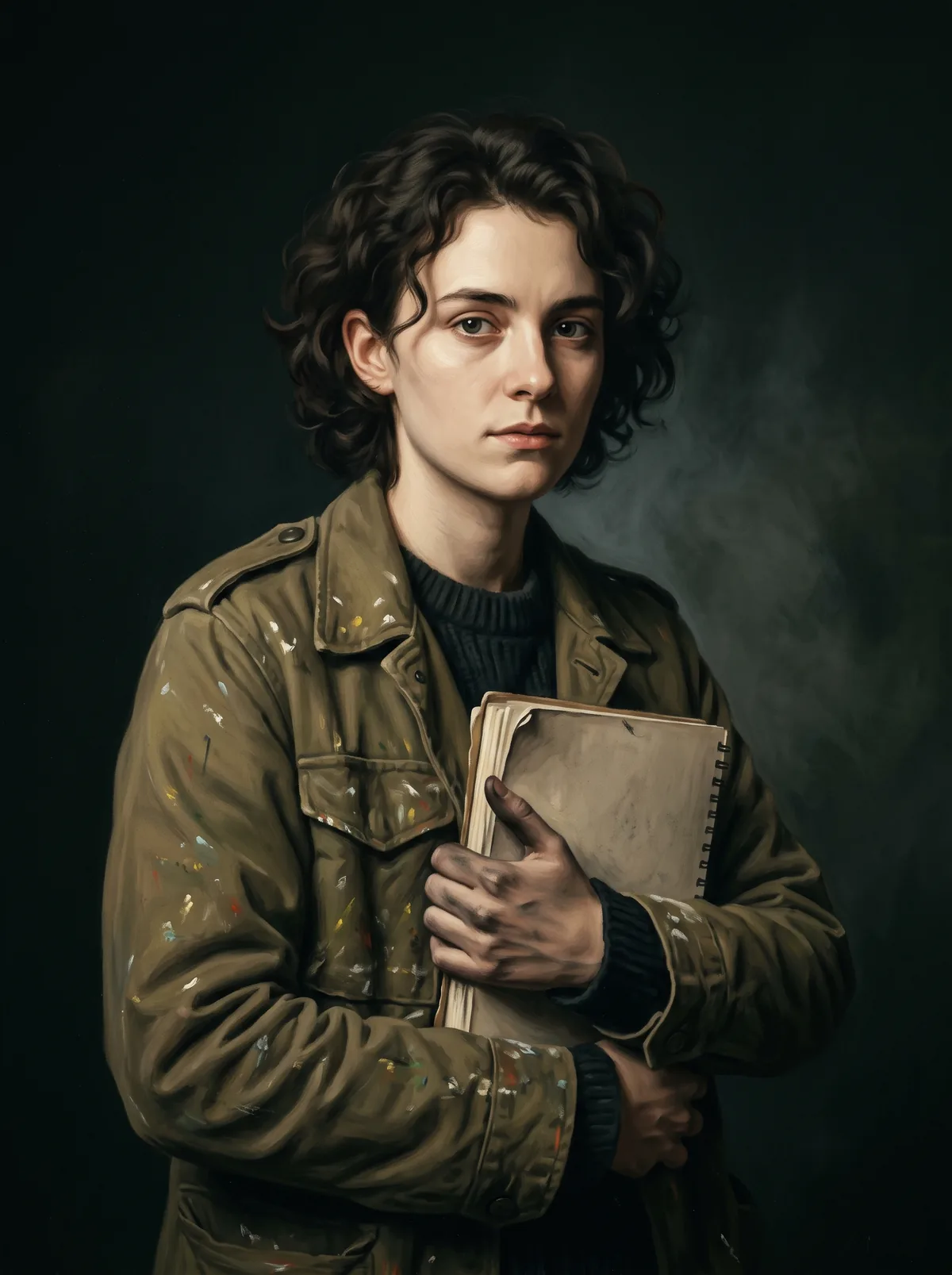
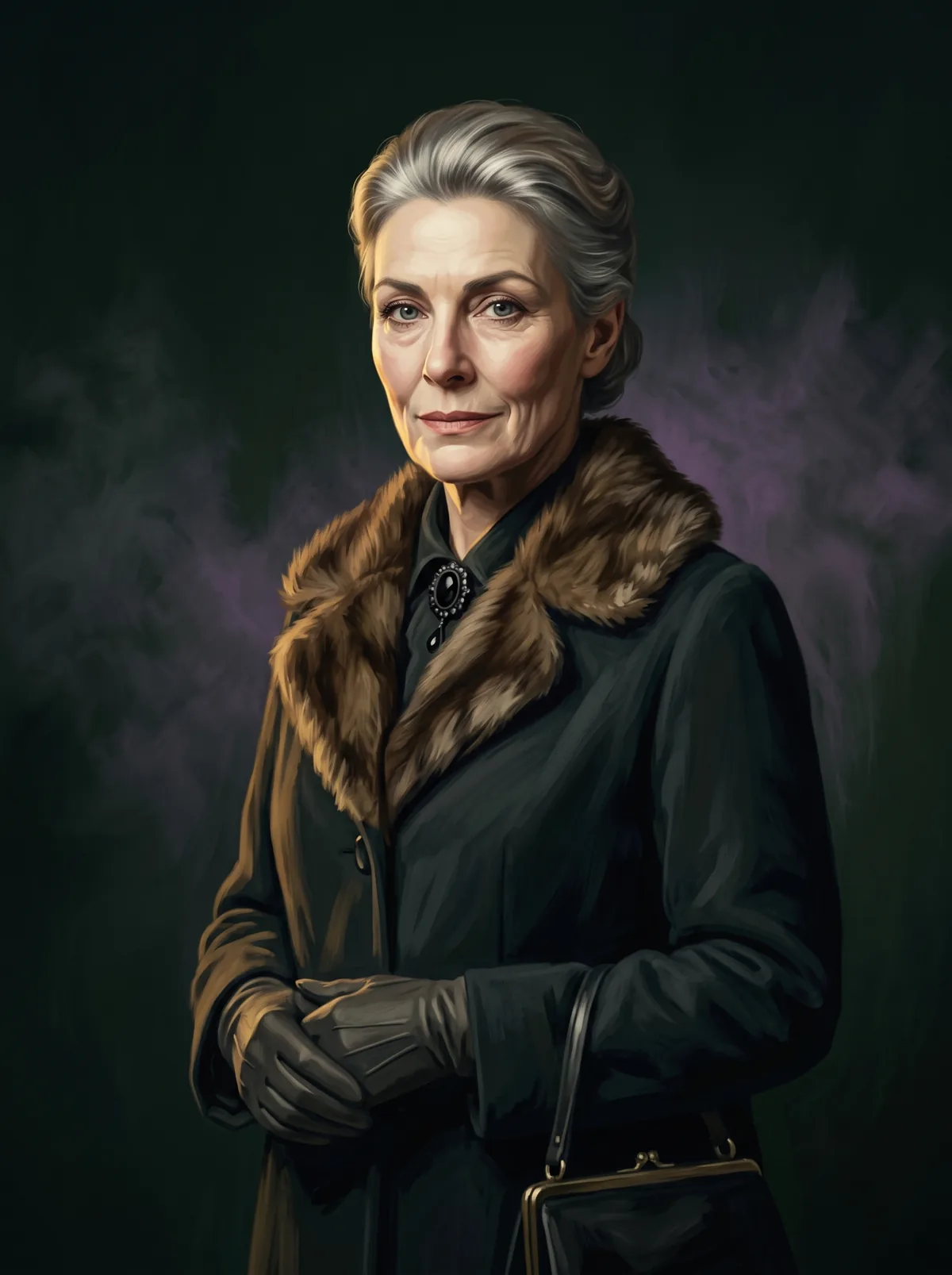
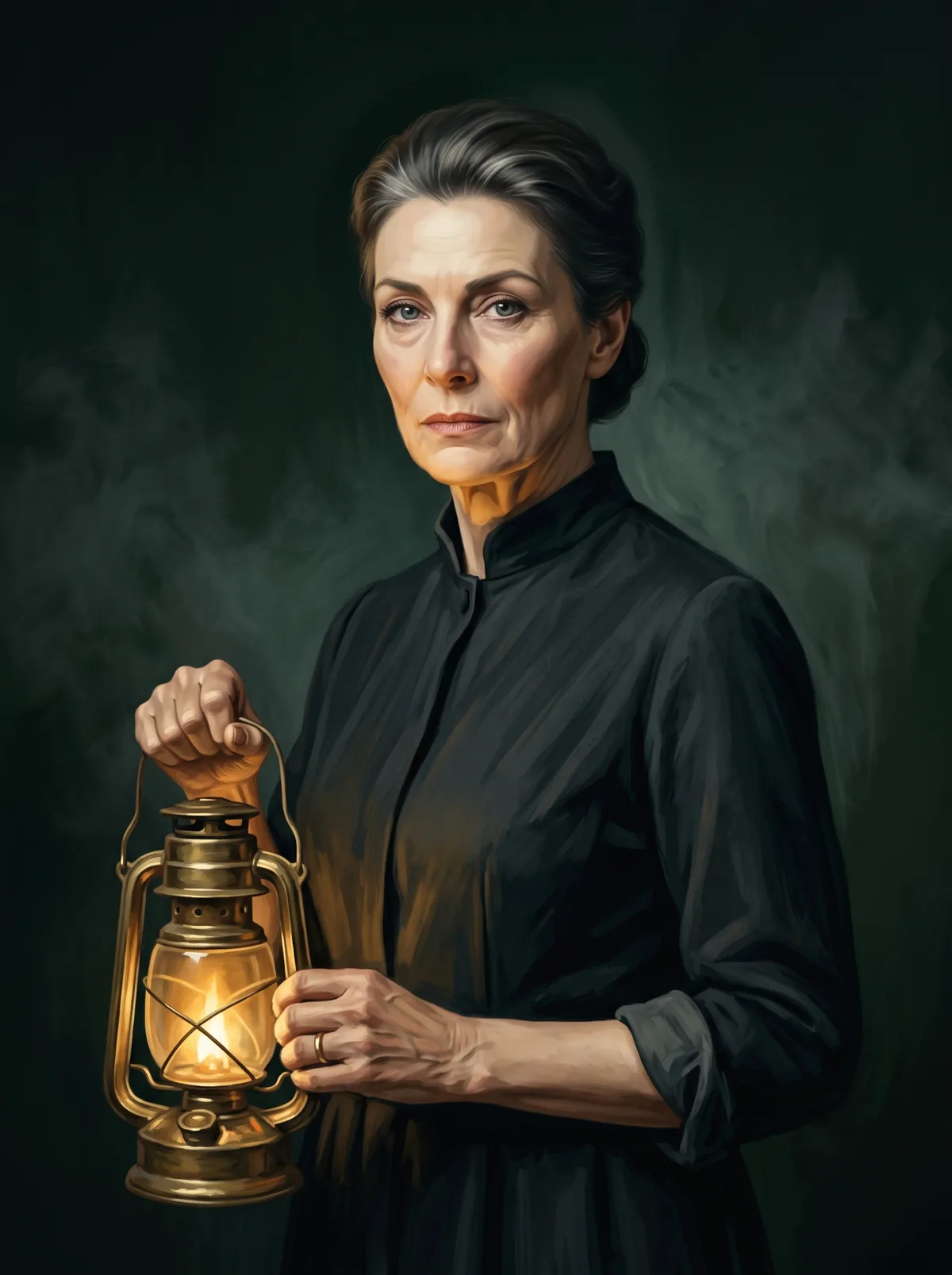
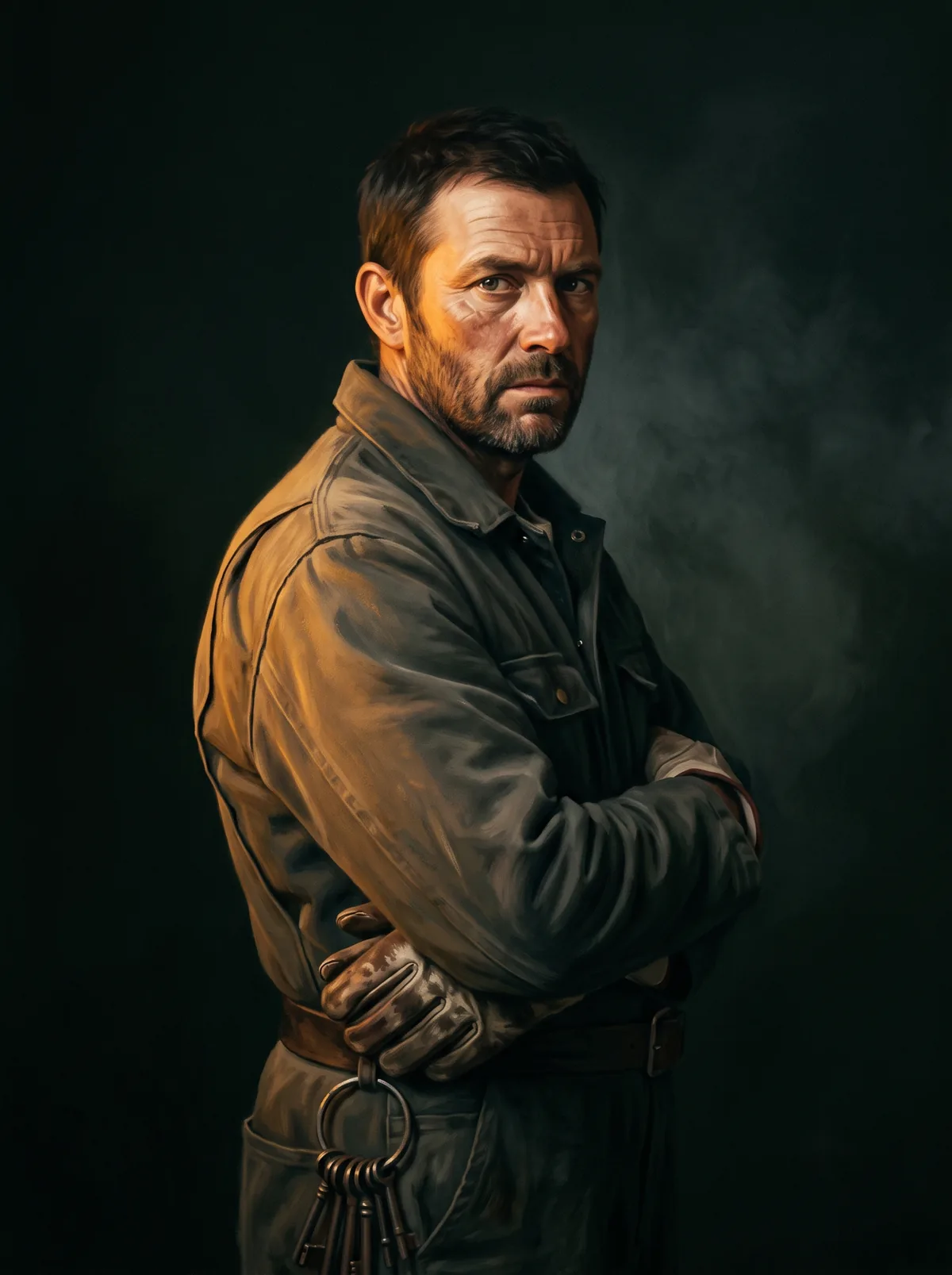
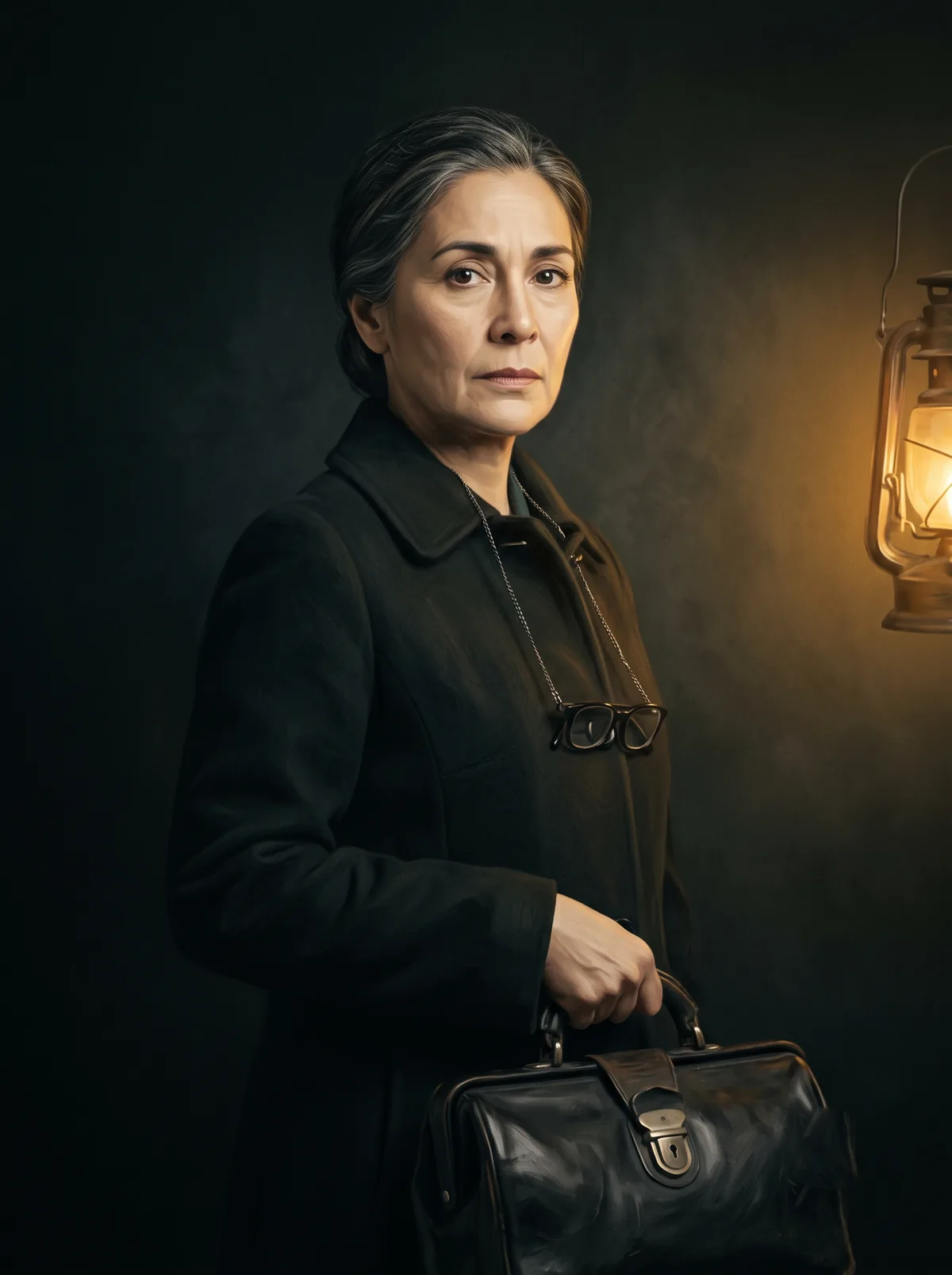
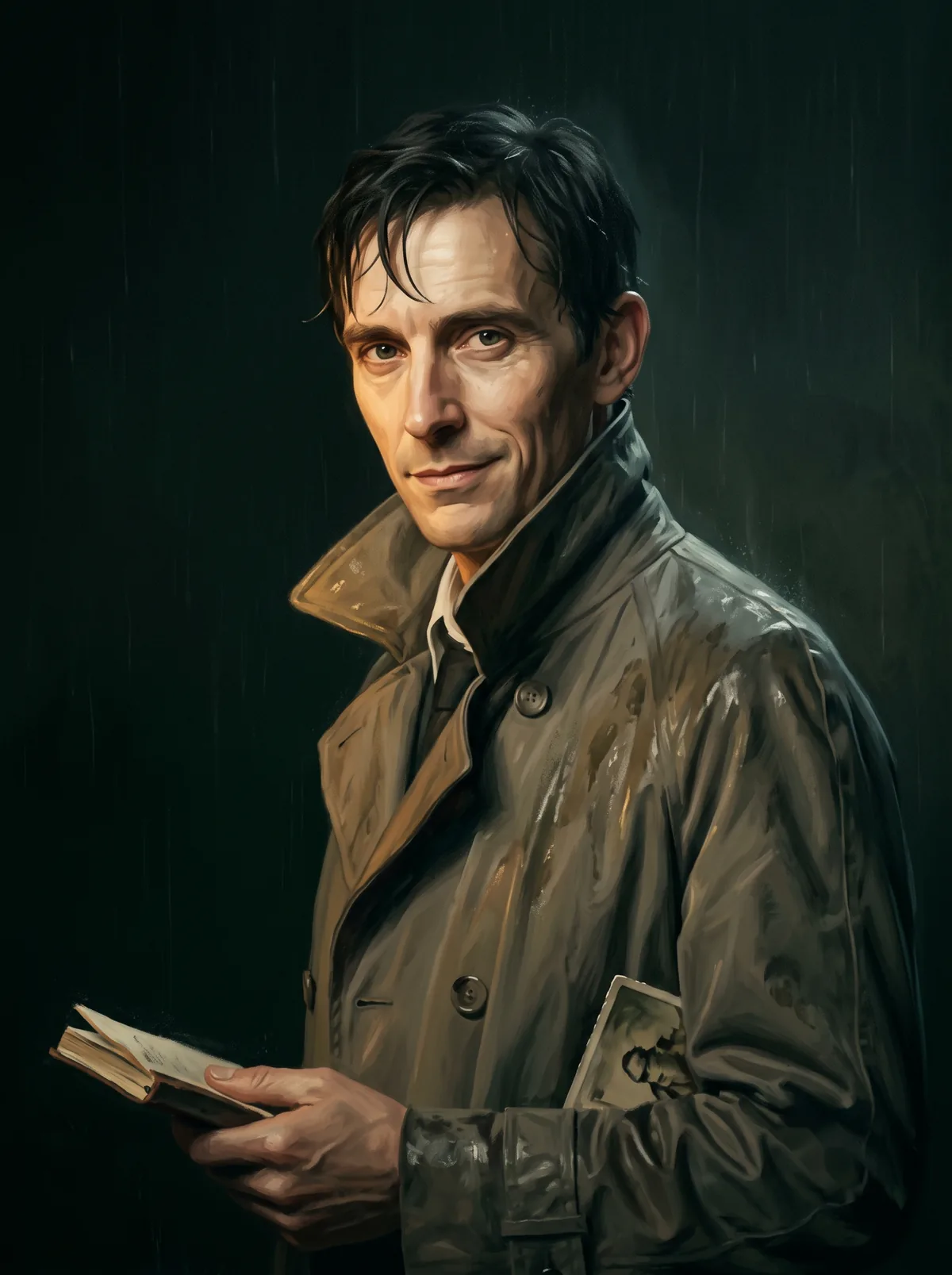
 Exhibit E1